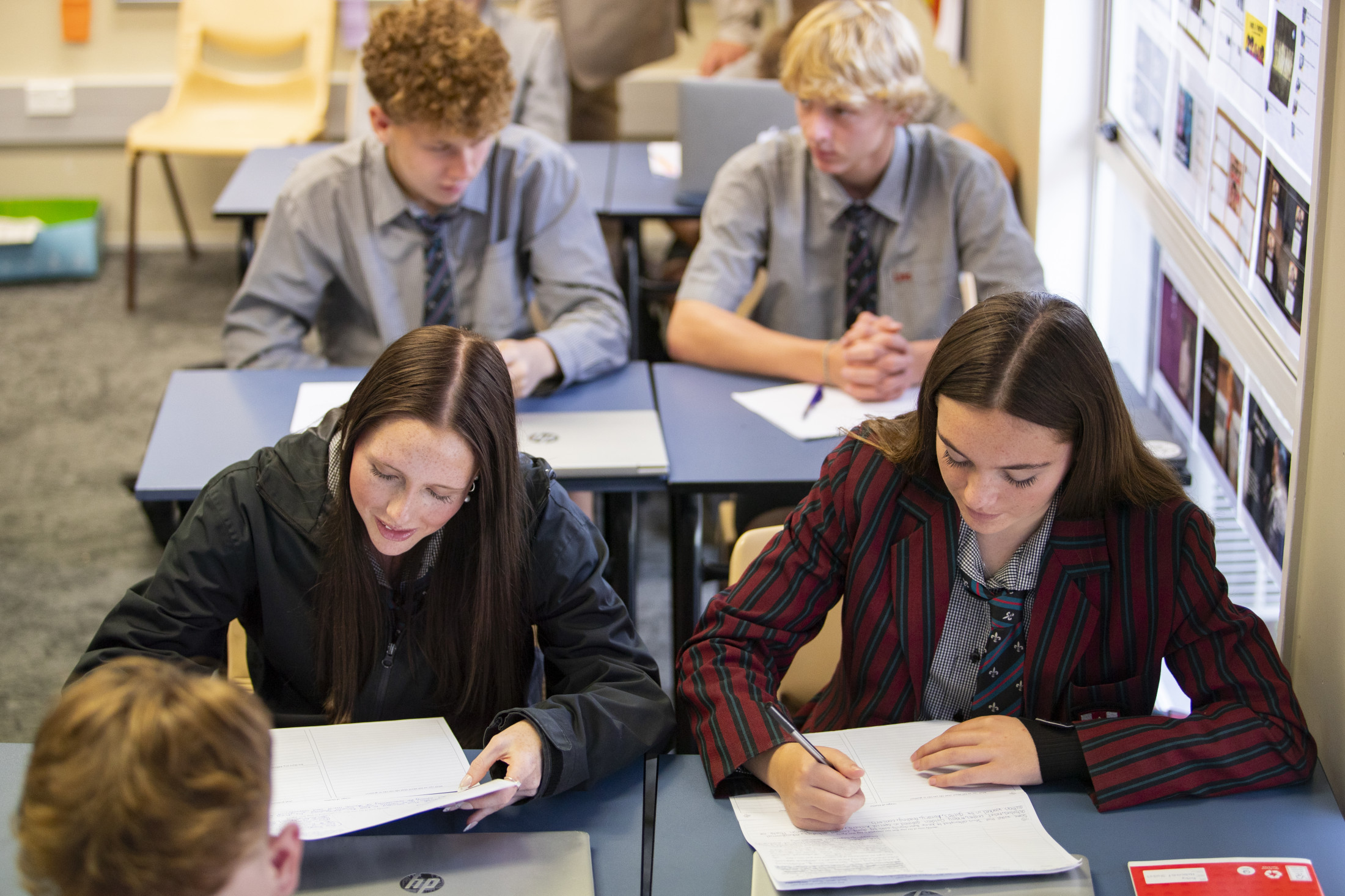
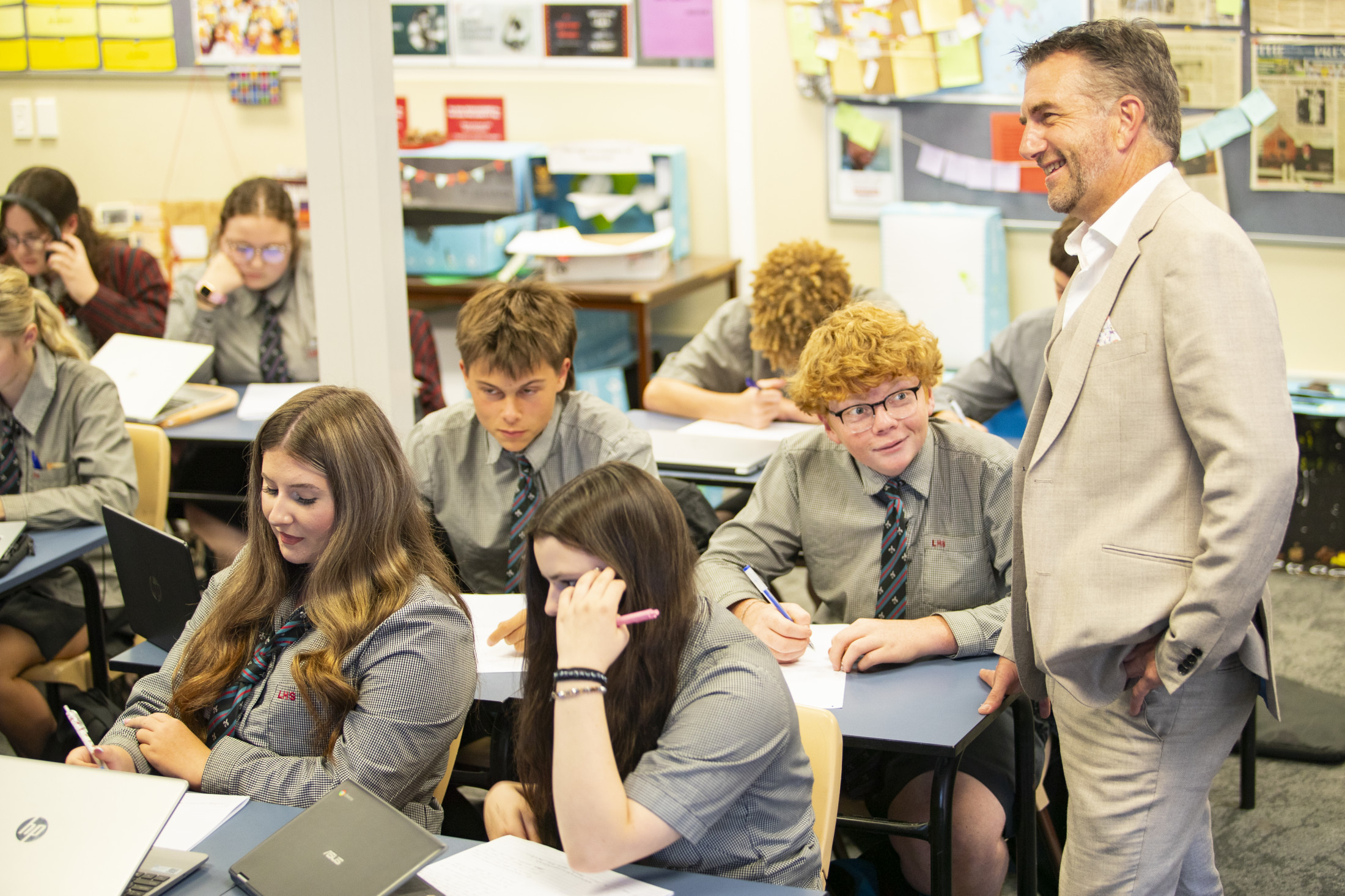
The Social Sciences at Lincoln High School bring the world into the classroom and students into the world. Rooted in the Aotearoa-New Zealand Social Science Curriculum, this area helps students understand how societies are organised, how people interact with each other and the environment, and how cultural, political, economic and historical forces shape our lives. Through inquiry-based learning, you’ll explore real issues — from identity and power to sustainability and social justice — developing critical thinking, research, empathy and communication skills along the way. This Learning Area includes History, Geography, Classics, Media Production, Psychology, Tourism, as well as Commerce subjects, Accounting, Business Studies, Economics, and Financial Literacy.
Our vision is to produce ākonga who explore how societies work and discover how they themselves can participate and take action as critical, informed, empathetic and responsible citizens. Our junior course provides foundation knowledge in the breadth on Social Science areas. The teaching and learning programme are based on core knowledge common to all classes. Learning strategies, activities and specific emphasis will be designed by the kaiako/ teacher to suit the needs of the learners in those individual classes.
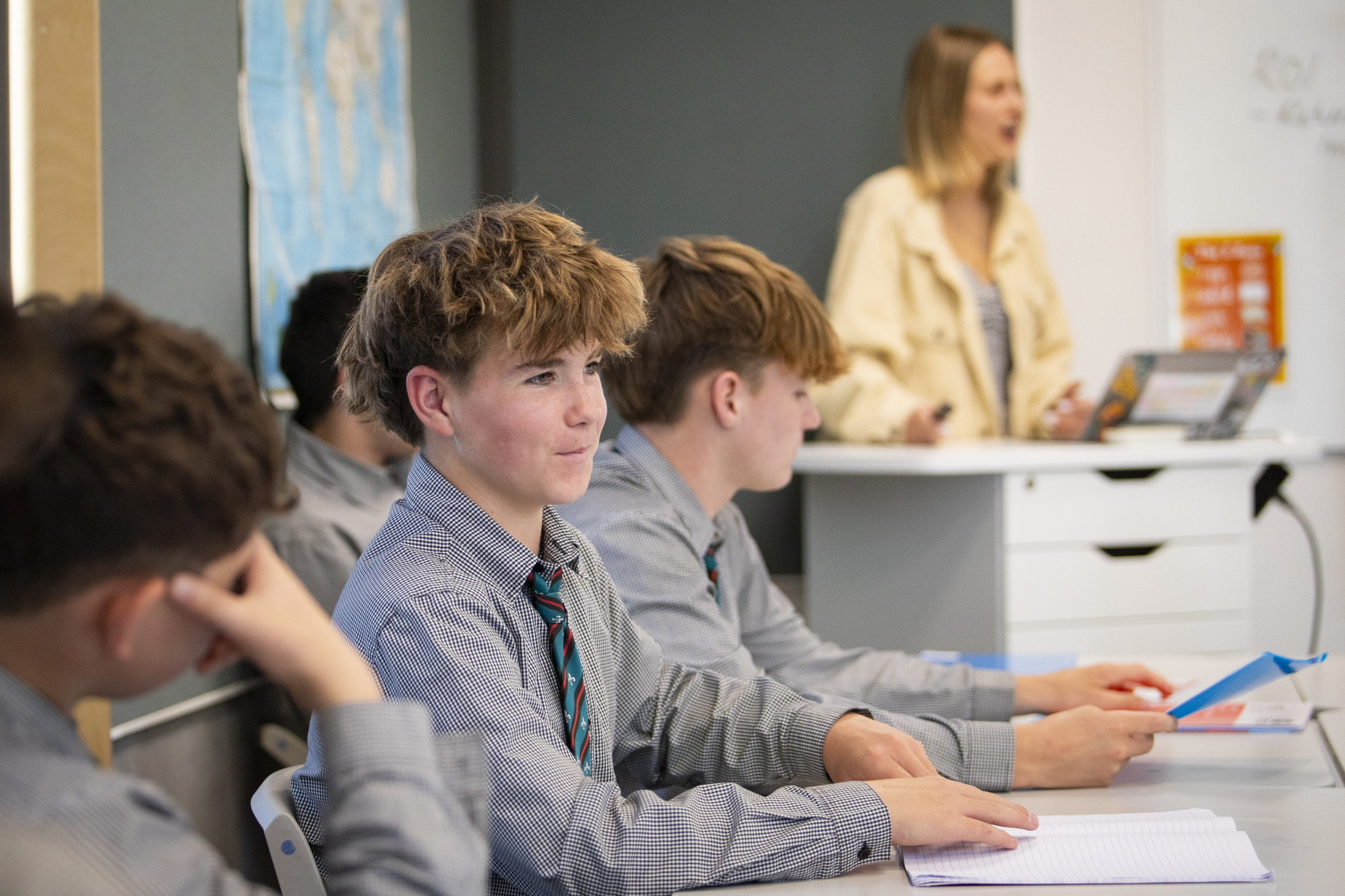
Classical Studies explores the ancient Greek and Roman worlds and their lasting influence on modern society. Students examine mythology, literature, art, politics, warfare and philosophy to understand how ancient civilisations shaped ideas we still use today. Through the study of epic texts, historical sources and visual material, students learn to interpret evidence, compare perspectives and build well-reasoned arguments. The subject combines history, literature and cultural analysis, making it ideal for students who enjoy big ideas and great stories. Classical Studies strengthens critical reading and writing skills and supports pathways into law, arts, humanities, politics and education. It also gives students a deeper appreciation of how the past continues to echo through modern culture, media and language. If you like myth, power, drama and timeless human questions — you’ll feel right at home here.
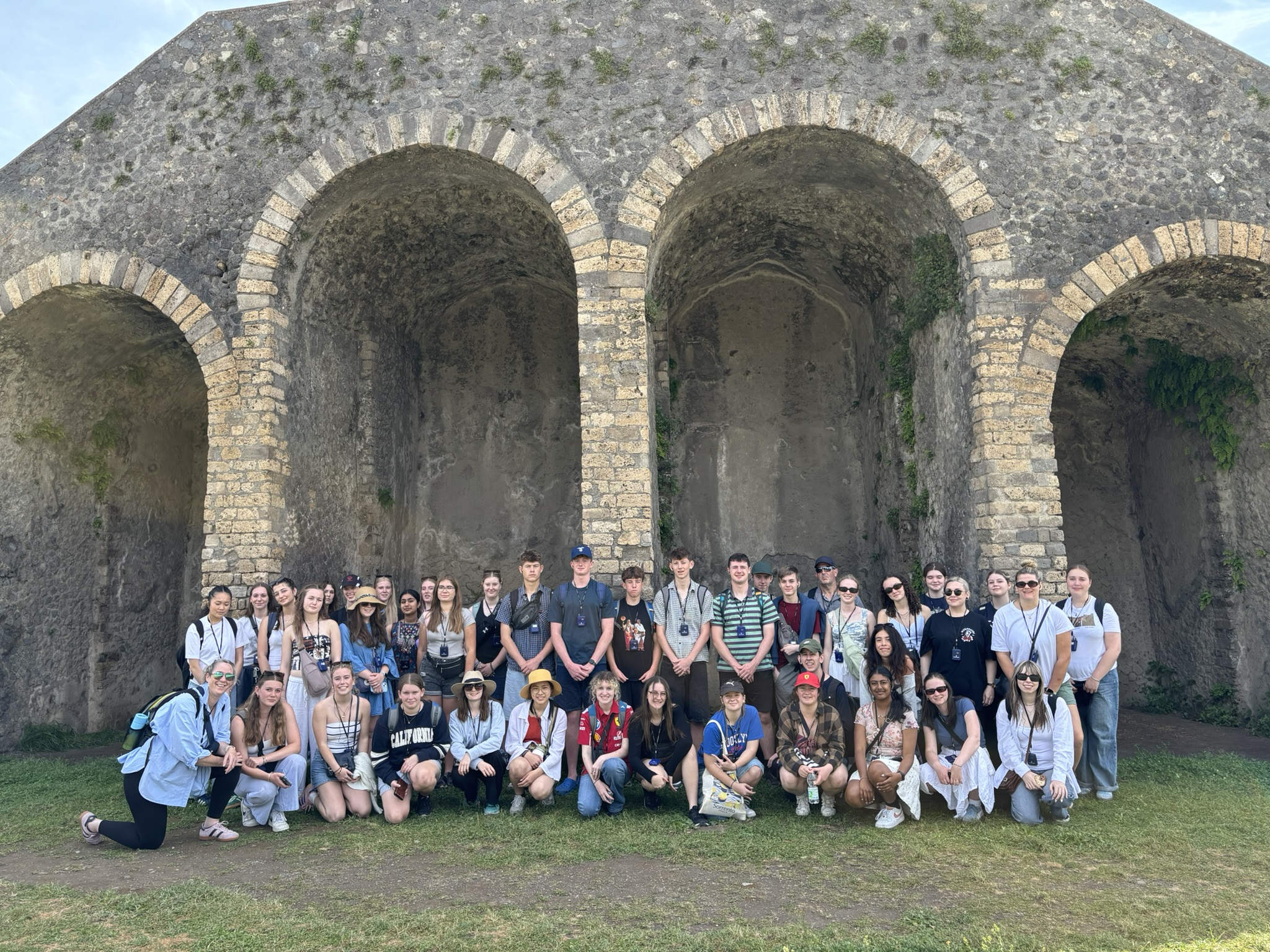
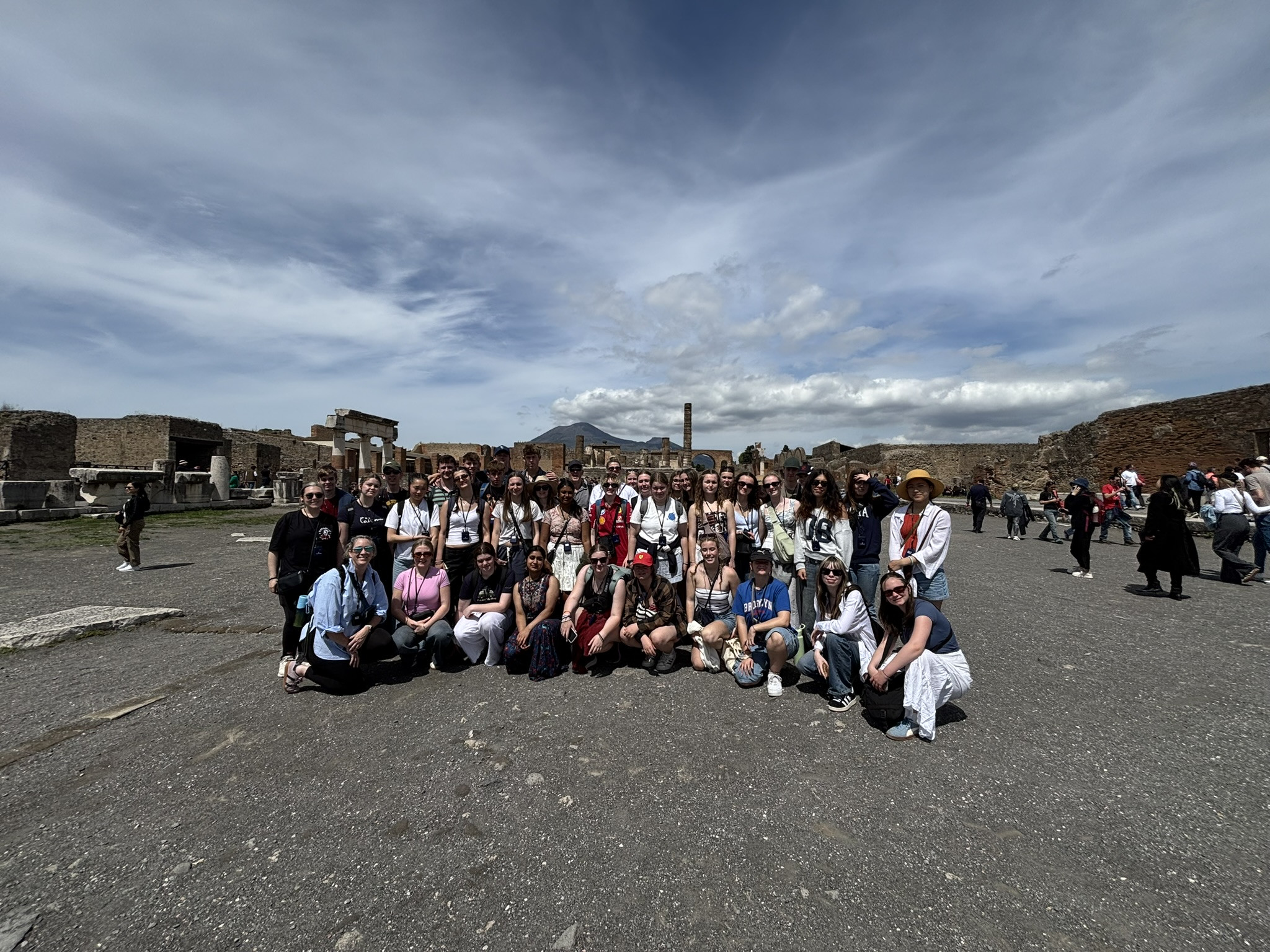
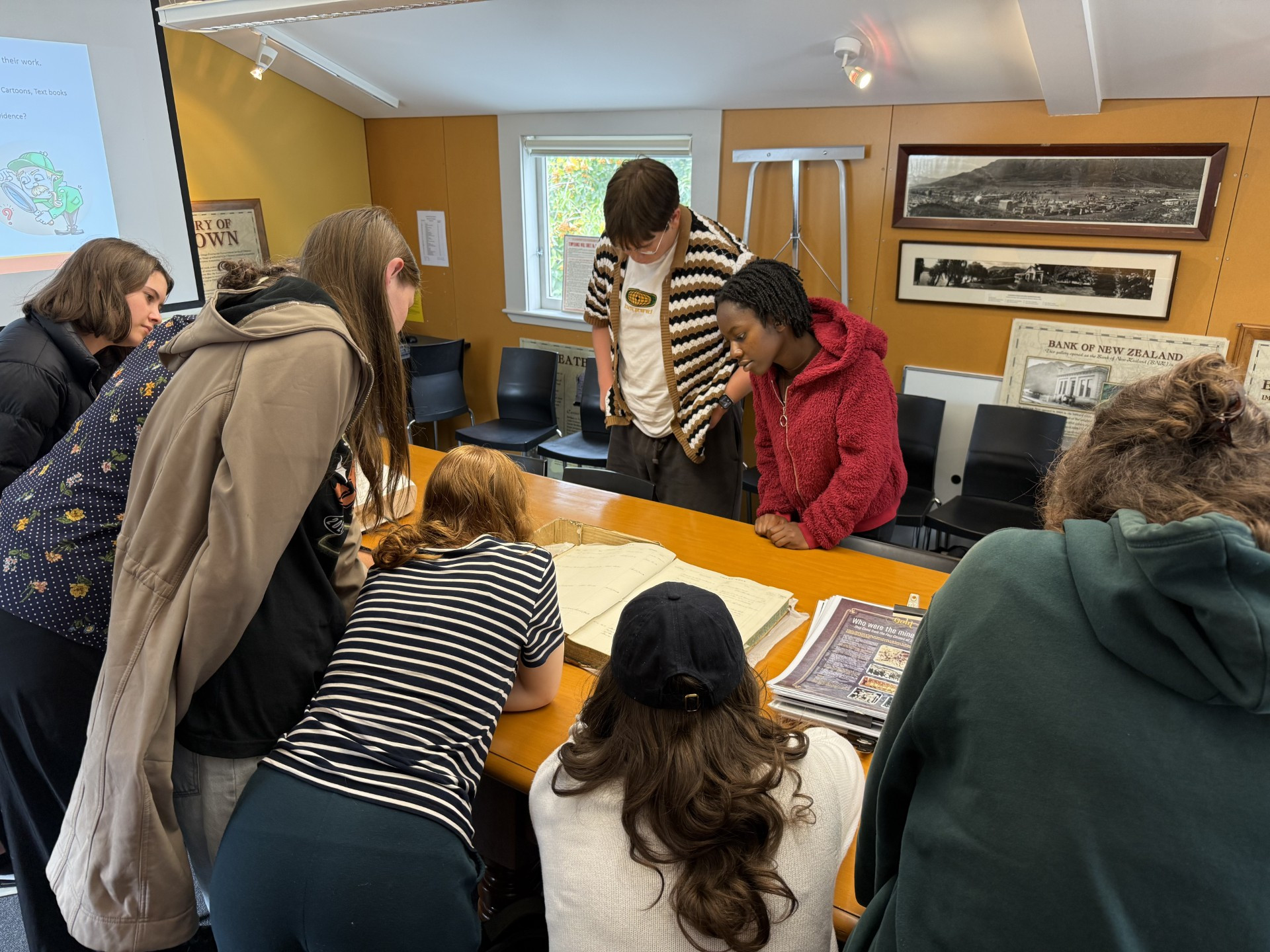
History brings the past to life, helping students understand the stories, movements, and decisions that have shaped our world. Whether you’re unpacking major global conflicts, or investigating how identities and power structures have evolved, History sharpens your ability to analyse evidence, interpret different perspectives, and form persuasive arguments. Beyond memorising dates, this subject asks big questions: Why do events unfold the way they do? How do actions of people in the past influence life today? These skills are invaluable for social awareness, critical thinking, and fields like law, education, heritage, journalism and research.
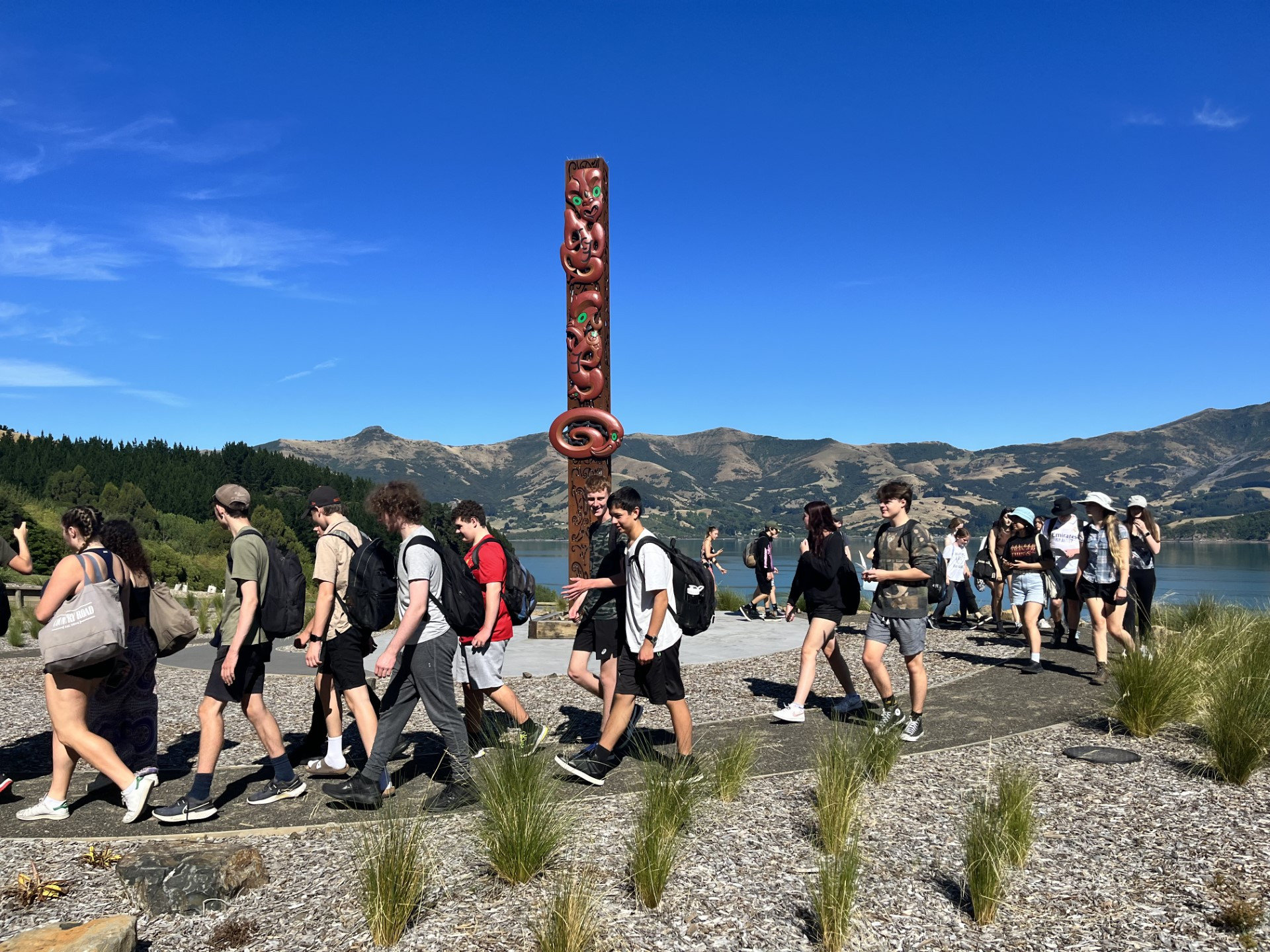
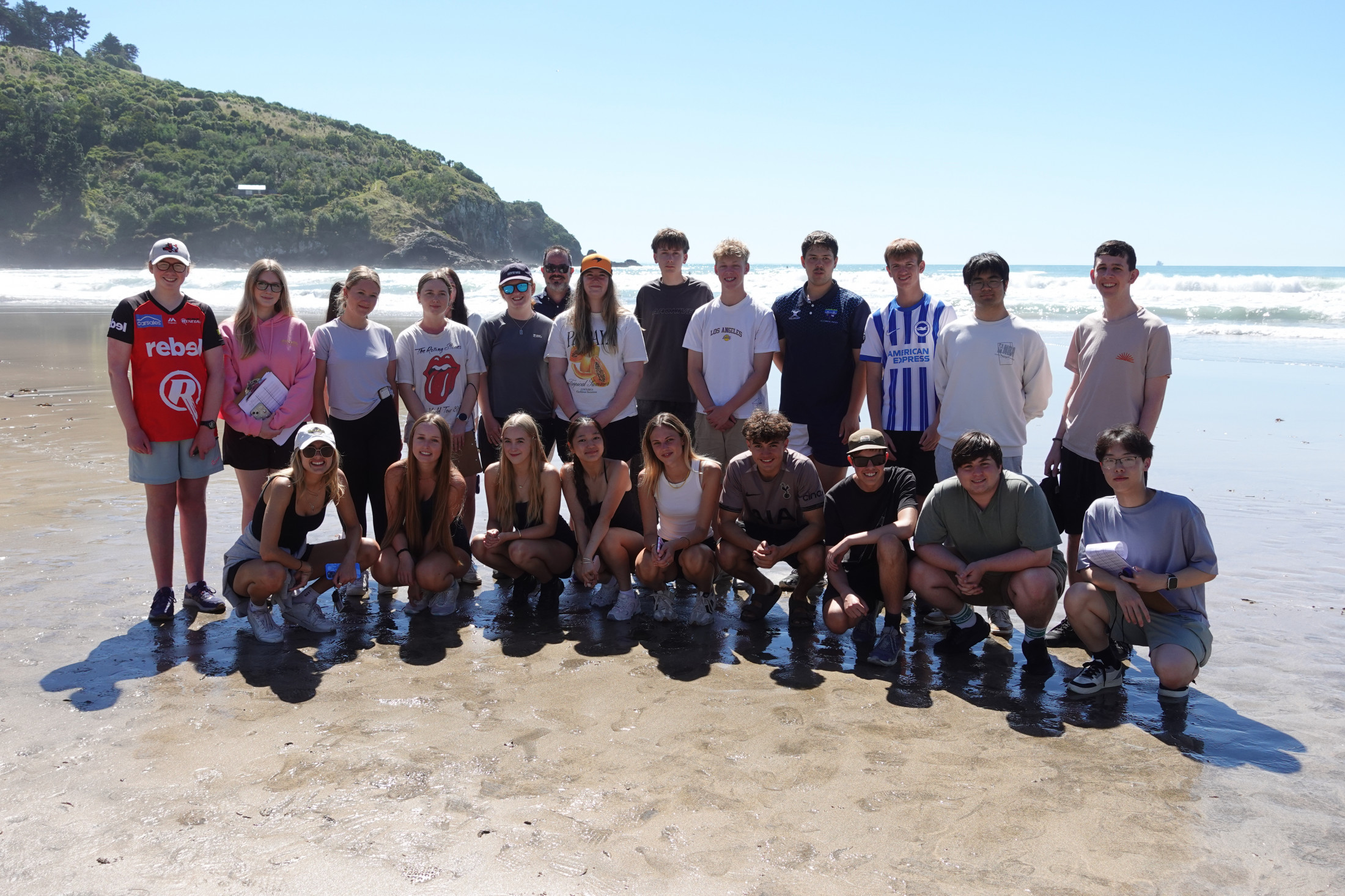
Geography is the study of place — how people, environments, and systems interact across local and global scales. Students explore dynamic topics such as Canterbury’s coastal processes, global environmental challenges, and how human decisions impact landscapes and communities. This subject blends science, social inquiry, and real-world fieldwork to understand issues like climate change, population movement, resource use, and sustainability. Geography builds analytical, data interpretation, and communication skills while encouraging you to think critically about the future of our planet. It’s an approved pathway for University Entrance and opens doors to careers in environmental science, planning, conservation, tourism, policy, and more. It's doing stuff that can make a real difference.
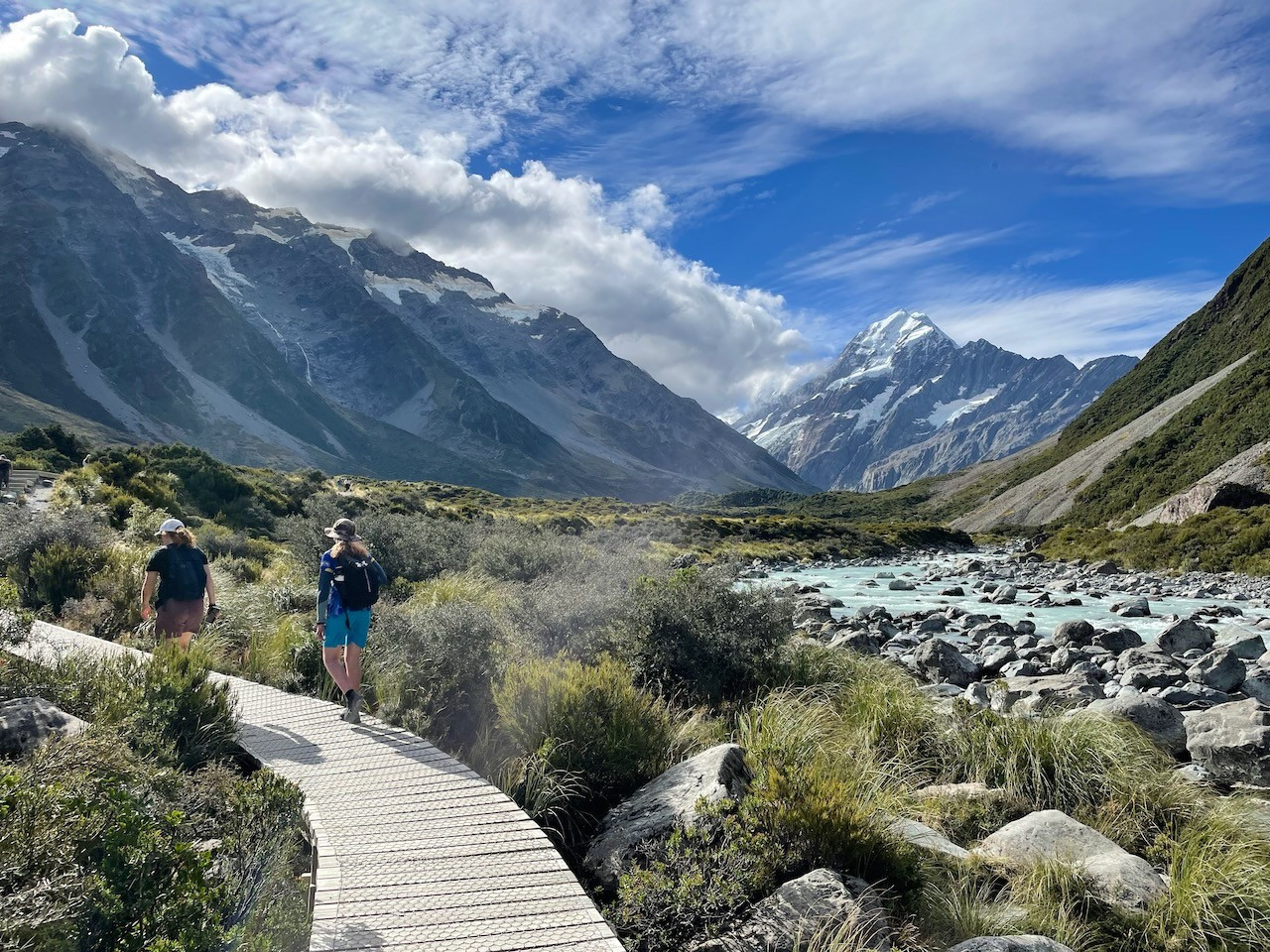
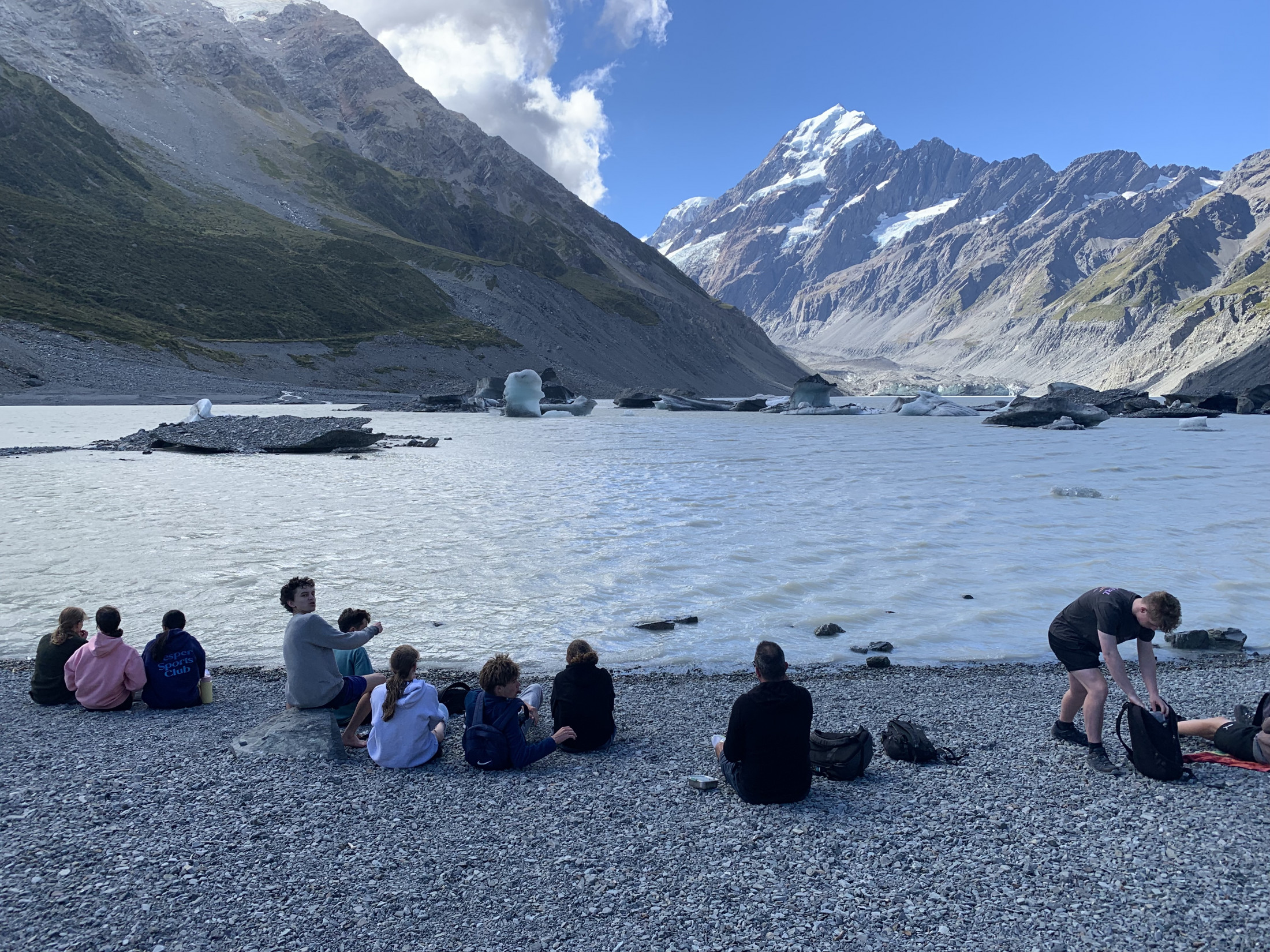
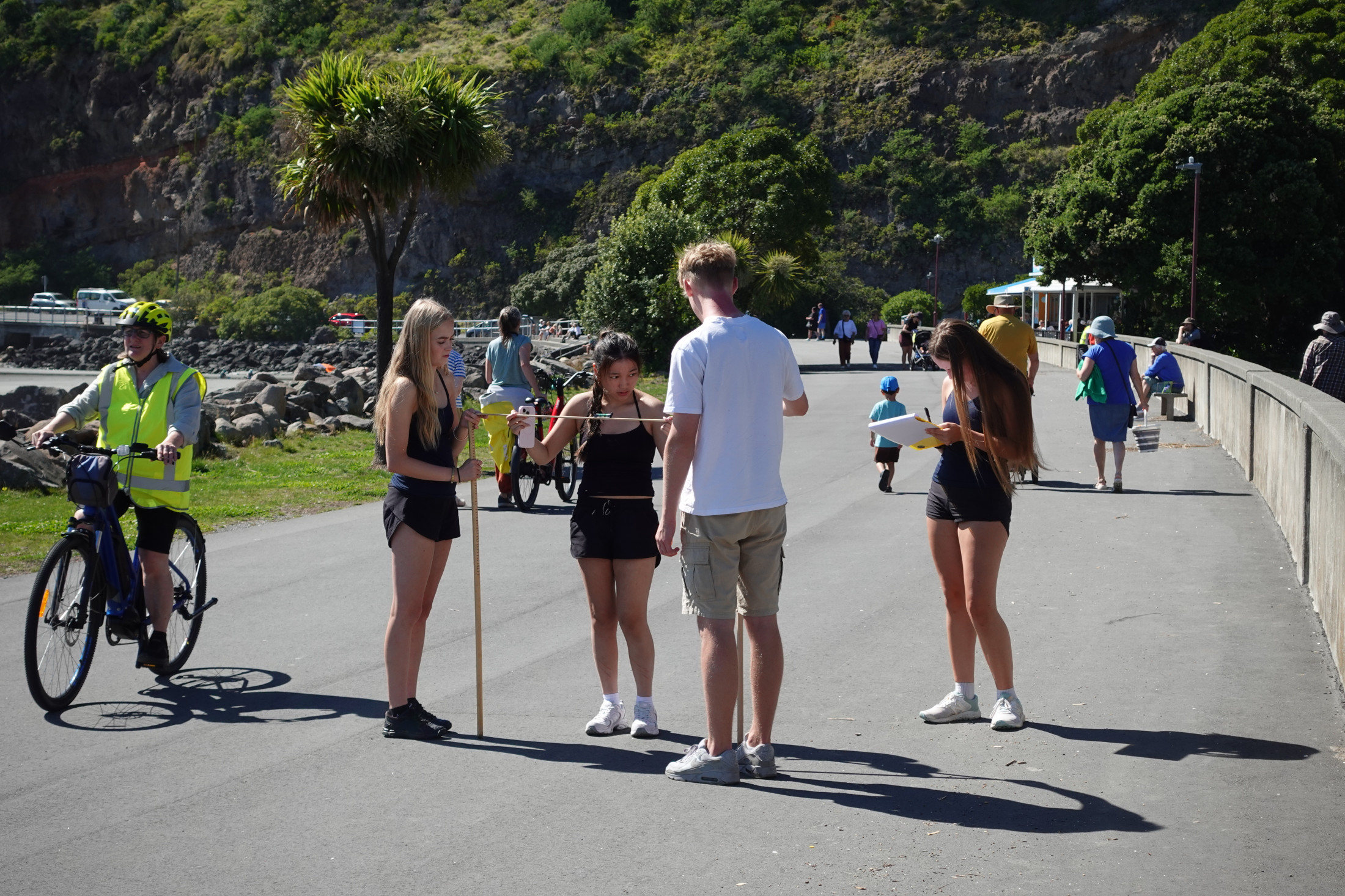
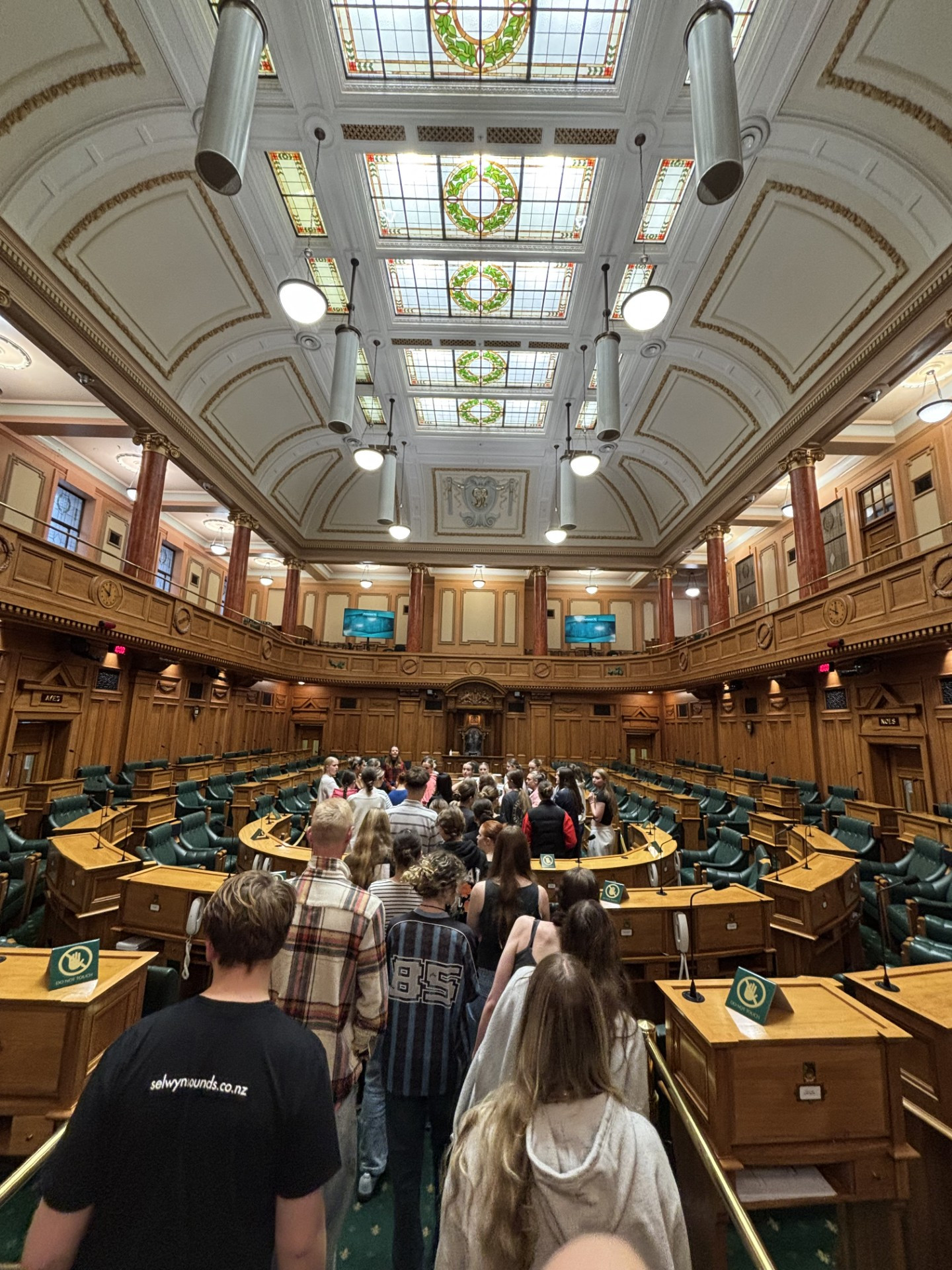
Senior Social Studies builds on the junior foundations to explore society from multiple angles — cultural, economic, political and environmental. At this level, you’ll engage in social inquiry, conduct research, and tackle contemporary issues that affect communities both locally and globally. The focus is on developing high-level skills in analysis, argument, communication and social action, allowing you to make connections between ideas and real-world outcomes. Students will investigate topics that matter — power and inequality, sustainability, identity, governance and social justice — preparing them for work, tertiary study or community involvement. This course strengthens critical thinking and prepares you to be a thoughtful, active citizen in a complex world.
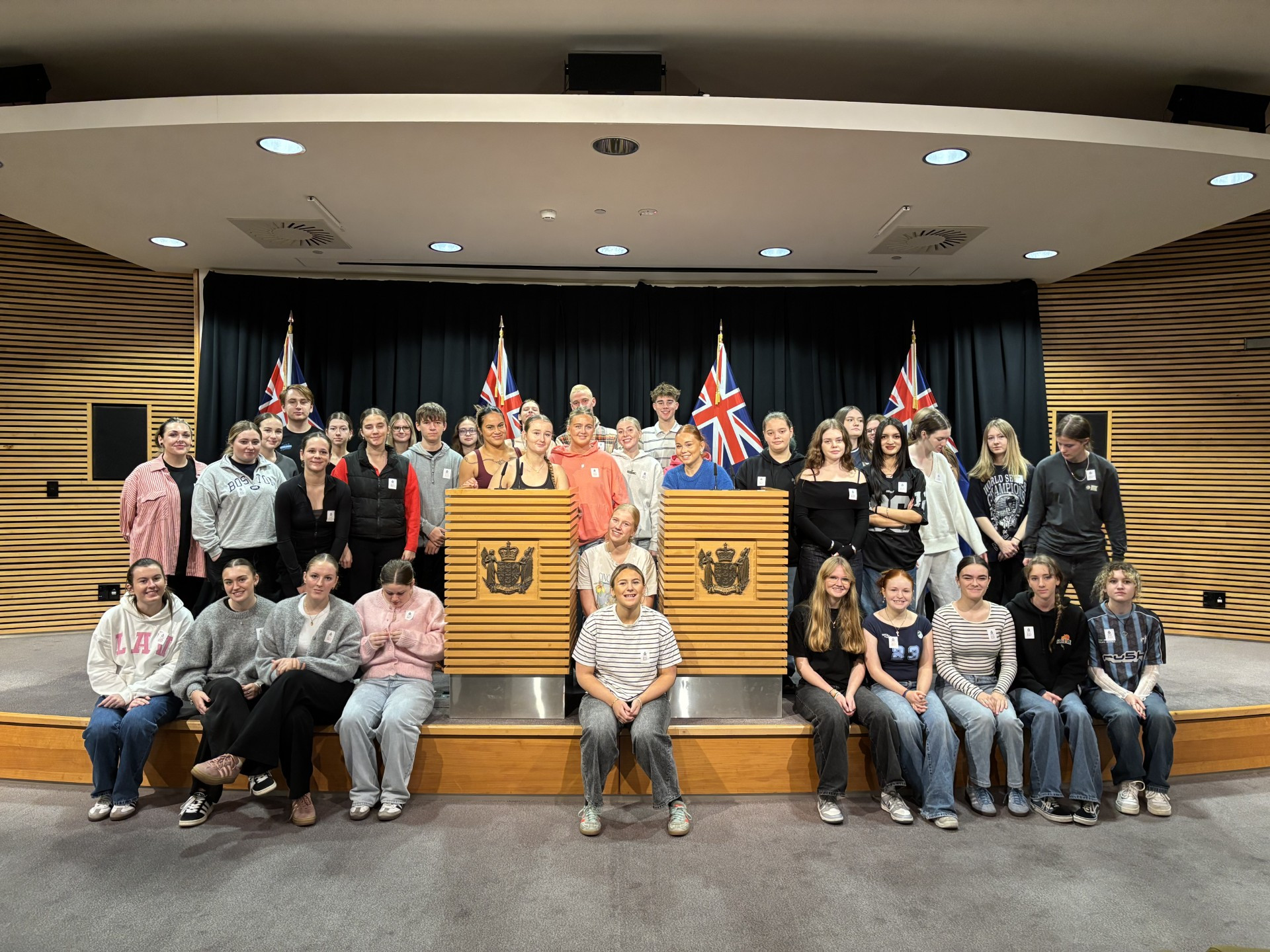
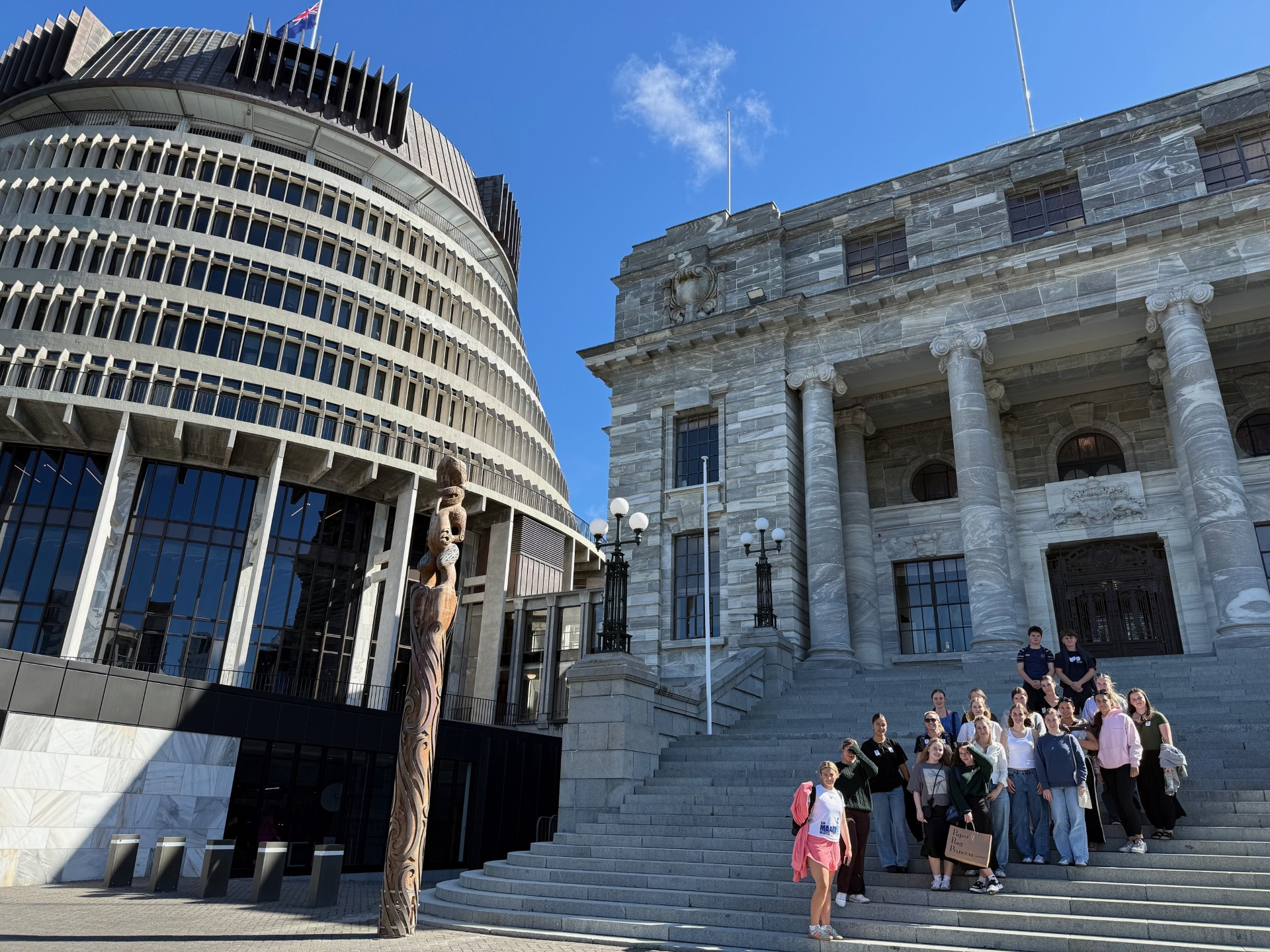
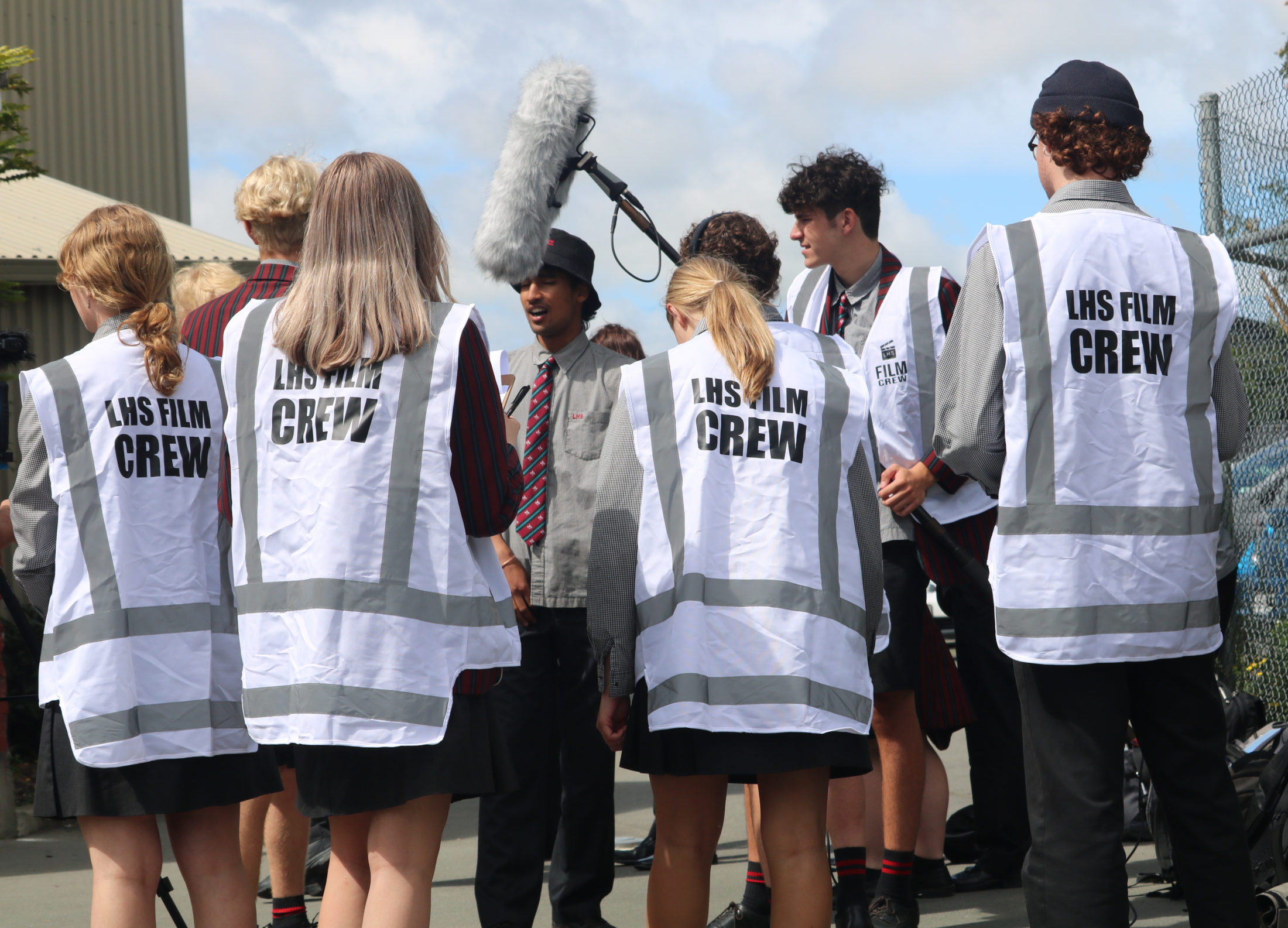
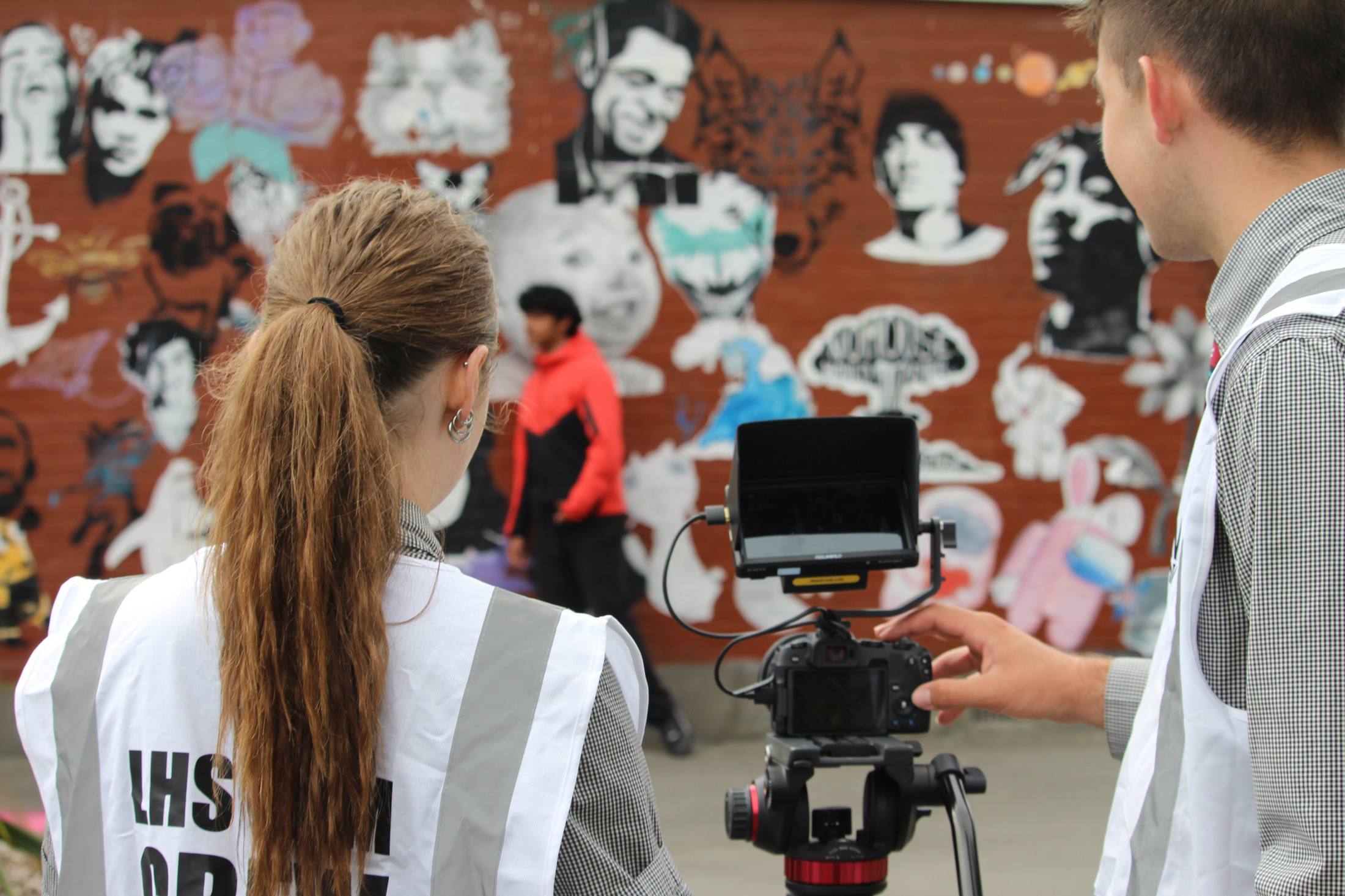
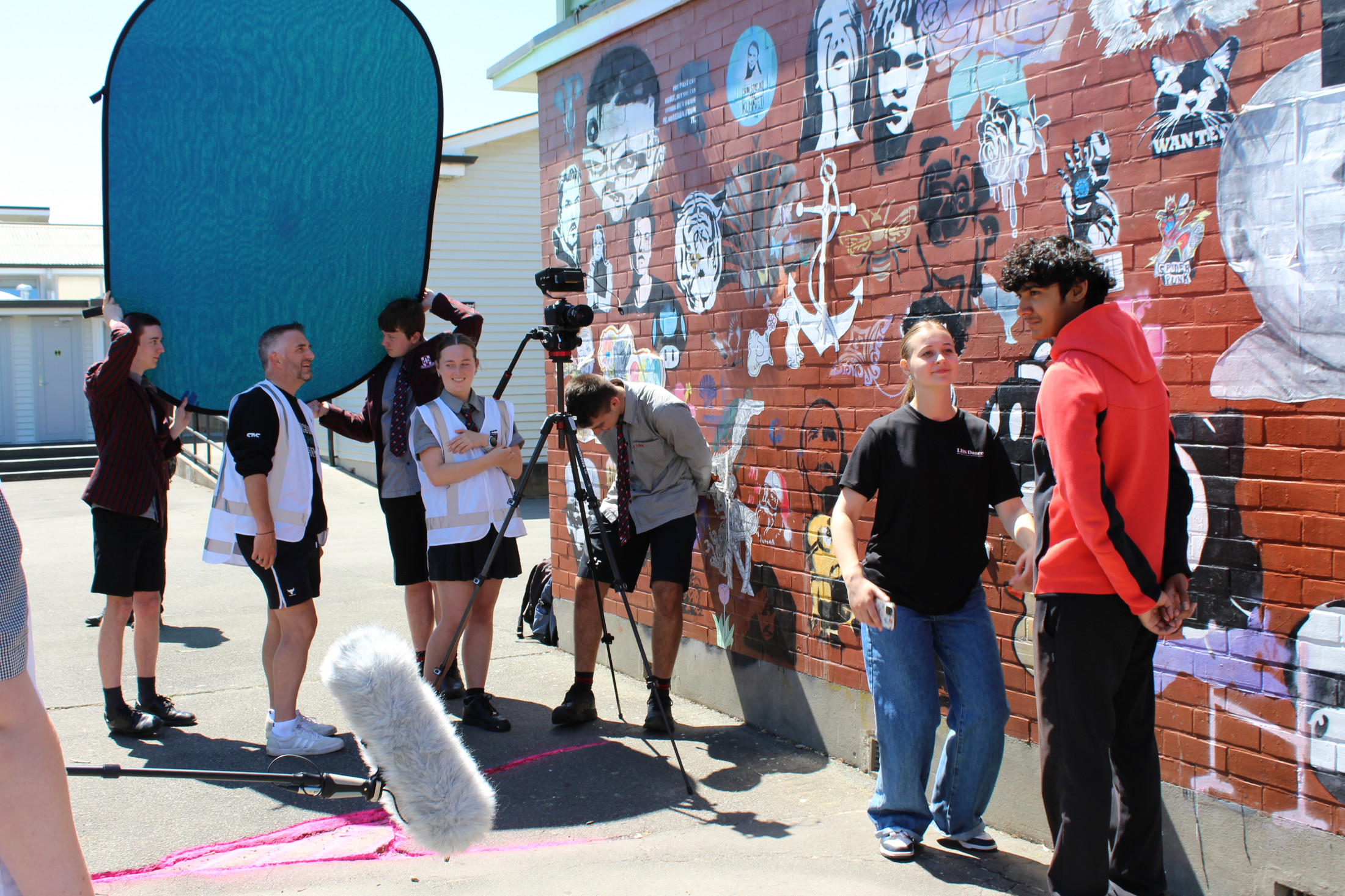
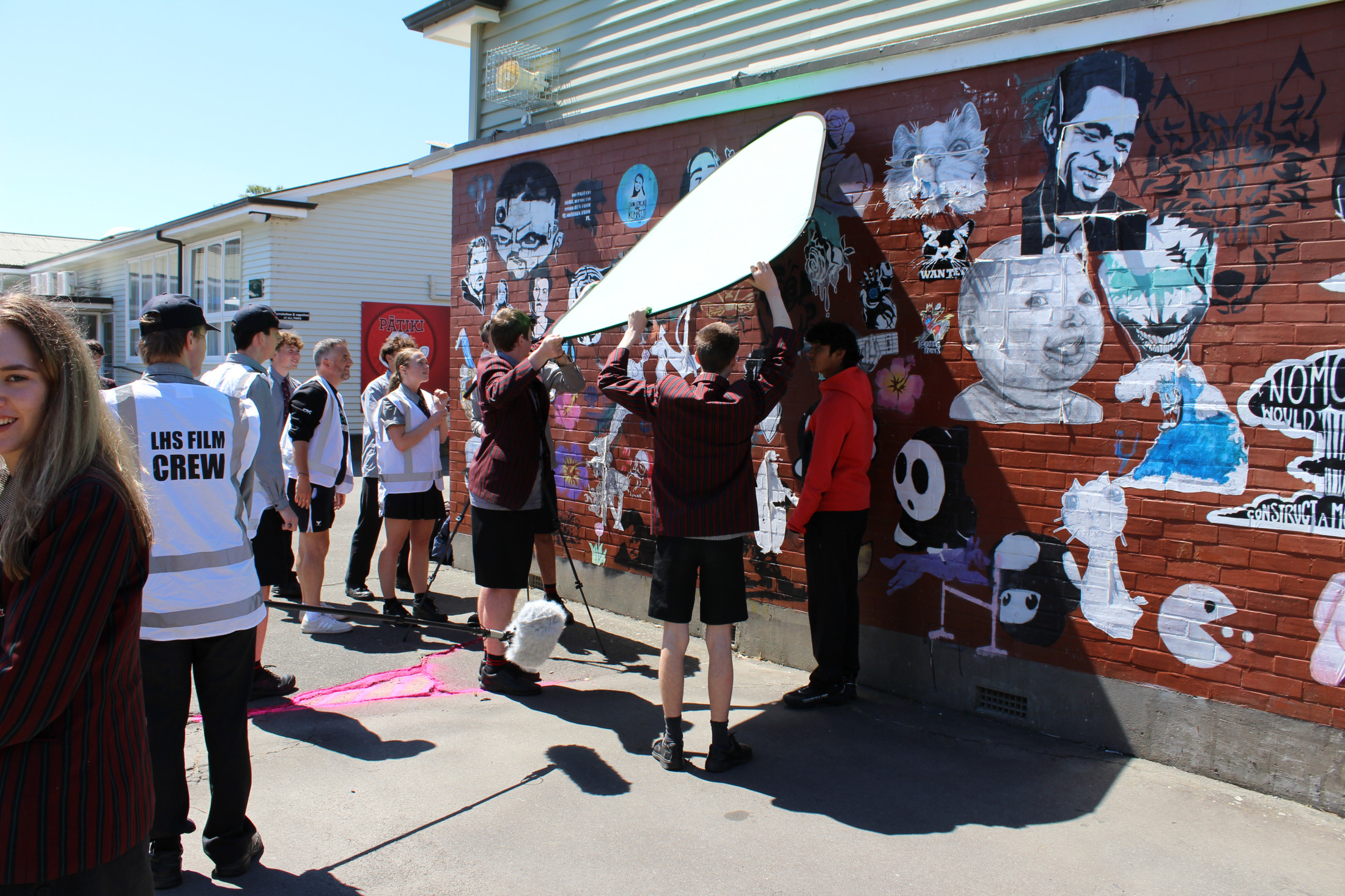
Media Production is where storytelling meets real-world skills. Whether you’re curious about how films, news and social media shape our world or want hands-on experience creating content, this subject has you covered. At junior level, media elements are woven into Social Sciences, building literacy in analysing messages and understanding media influence, as well as planning & producing content. Senior Media Production courses take things further: you’ll learn to plan, shoot and edit digital content, experiment with narrative techniques, and reflect on the role media plays in culture and society. It’s creative, dynamic and deeply connected to how young people communicate today. Perfect for future filmmakers, content creators, journalists, or anyone who wants to sharpen their voice and visual storytelling chops.
Psychology dives into the fascinating science of behaviour and mind. Senior Psychology examines how we think, feel and act — from biological processes to social influences — using real research and scientific methods. You’ll study topics like development, cognition, personality, and mental well-being, learning how to design experiments, interpret data, and evaluate psychological theories. Psychology is brilliant for anyone who wants to understand human nature more deeply — whether your future is in counselling, health care, education, business or simply navigating everyday relationships with insight and empathy.
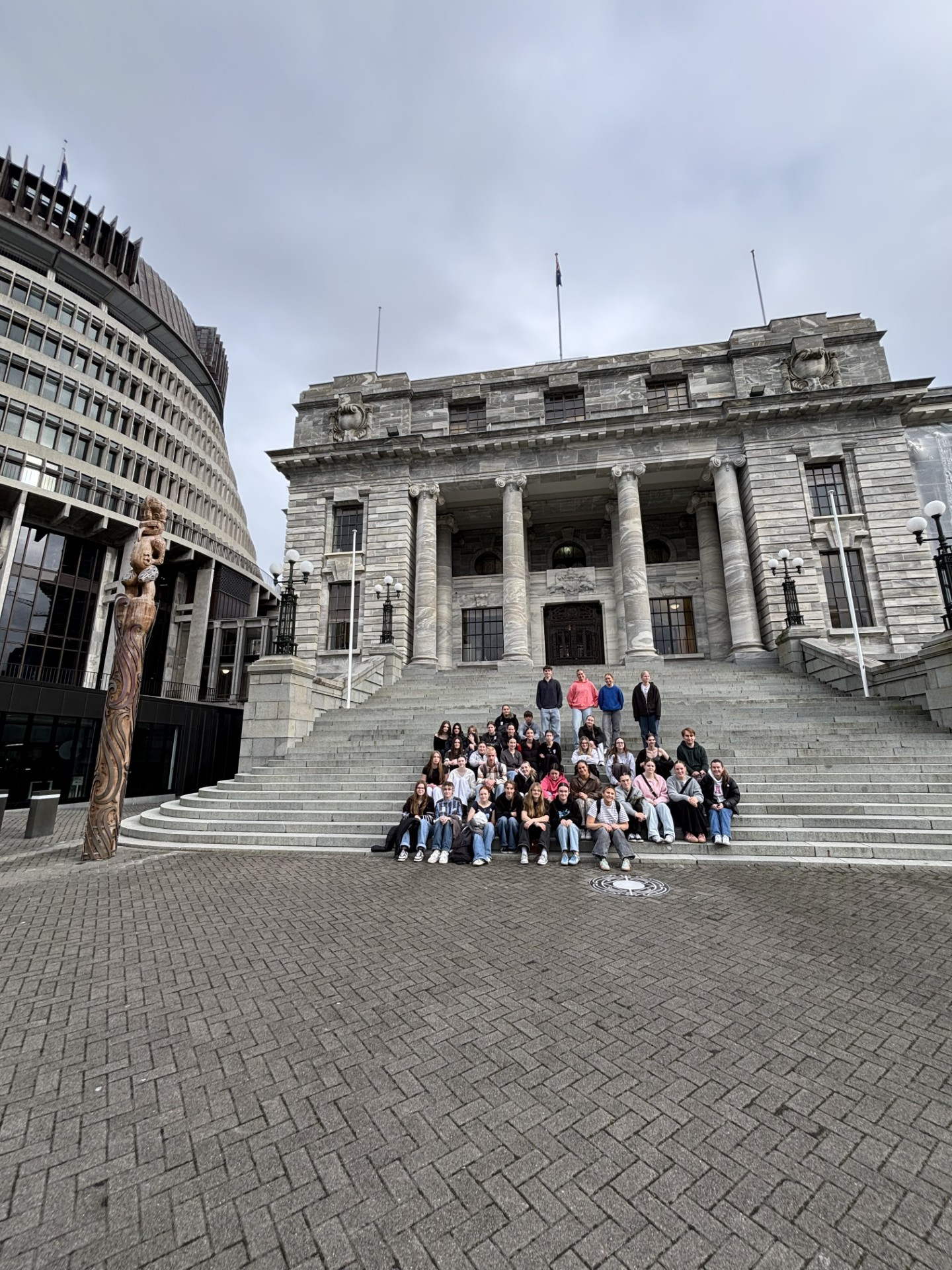
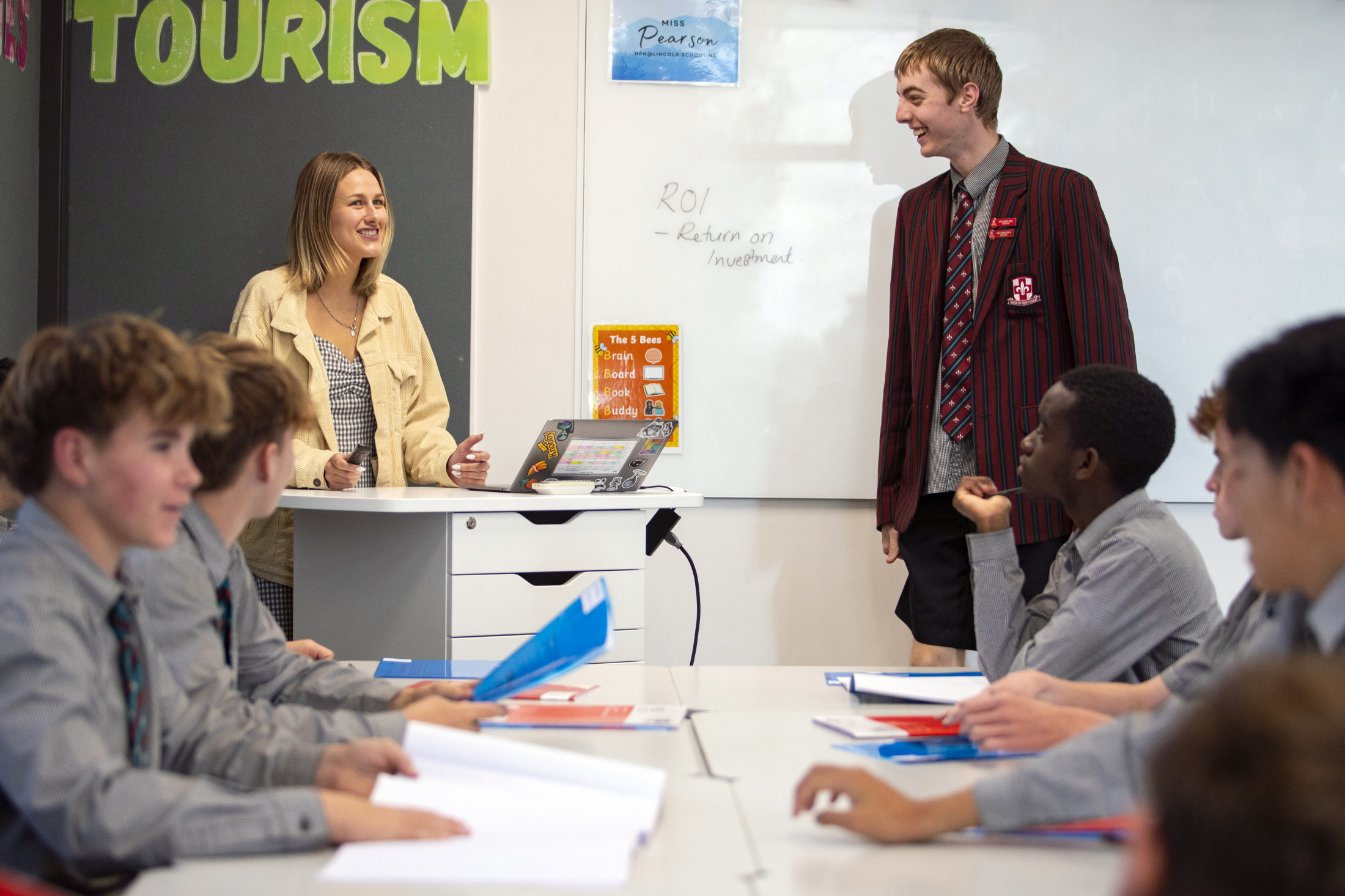
Tourism blends geography, culture and customer service into a rich exploration of how people travel, explore and connect with places. You’ll study key regions of Aotearoa/New Zealand, the Pacific and Australia as visitor destinations, learning about time zones, culture, climate, accommodation and travel logistics. There’s also a focus on real workplace skills — like delivering excellent service to international visitors — making this subject both academically engaging and practically useful. Tourism provides a foundation for careers in travel, hospitality, event management and tourism planning, while helping students see the world through social, cultural and economic lenses.
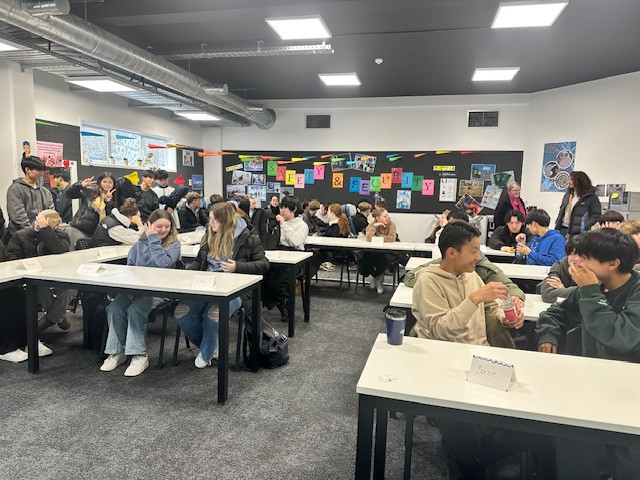
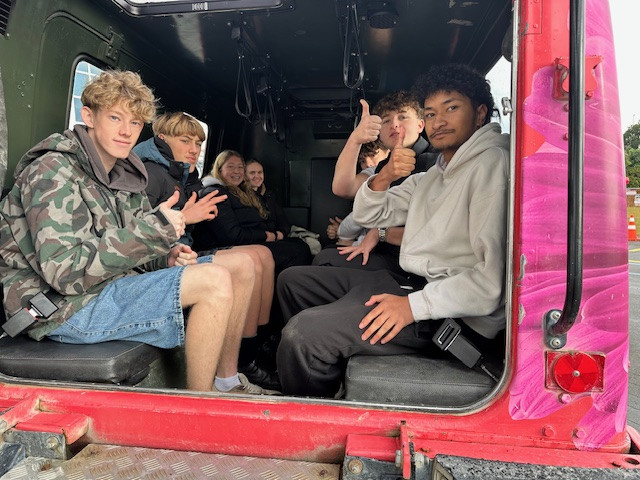
Accounting focuses on how financial information is recorded, organised and used to make smart decisions. Students learn how businesses track income, expenses, assets and profitability, and how financial reports tell the story of how an organisation is performing. Courses build practical skills in budgeting, reporting and financial analysis, while also developing accuracy, logical thinking and attention to detail. Students explore both small business and larger organisational contexts, learning how accounting supports planning, accountability and growth. Accounting is ideal for students considering careers in business, finance, management or entrepreneurship, but it’s also highly useful for anyone who wants strong personal financial skills. It’s a subject where numbers meet strategy — and where good record-keeping turns into good decision-making.
Business Studies examines how businesses start, operate, grow and adapt in competitive environments. Students explore entrepreneurship, marketing, operations, human resources and business strategy, often developing and testing their own business ideas. Real and simulated business activities give students practical experience in planning, promotion, budgeting, and evaluation. Courses emphasise innovation, teamwork and problem-solving, helping students understand both the risks and rewards of enterprise. Students learn how businesses respond to customers, communities, and changing market conditions, and how ethical and sustainable practices matter in modern commerce. Business Studies is well-suited to students who enjoy leadership, creativity, and real-world application. Whether students want to run their own venture one day or simply understand how organisations work, this subject builds strong commercial awareness and confidence.
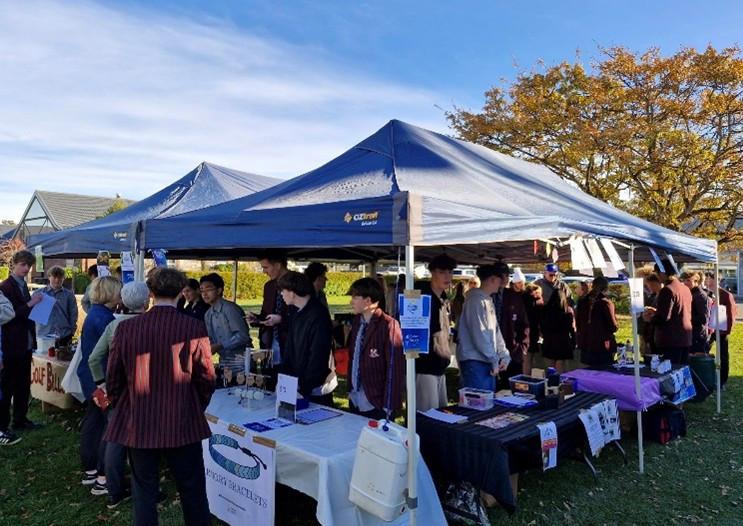
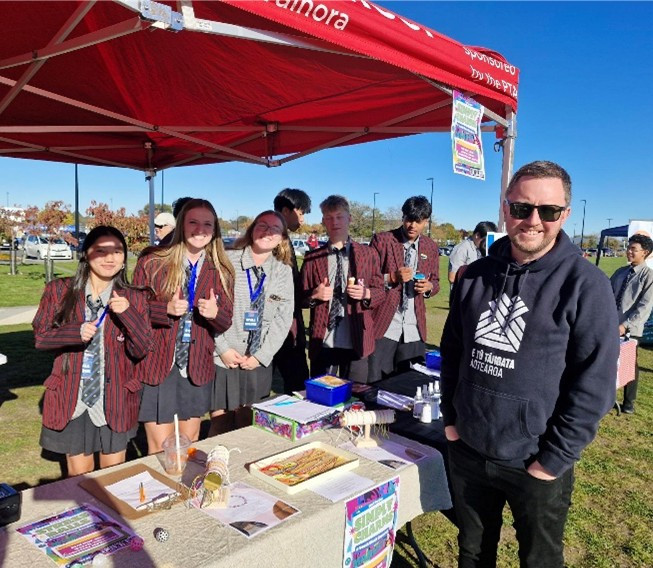
Economics is about choices, resources and how societies organise money, markets and wellbeing. Students explore how individuals, businesses and governments make decisions and how those decisions affect employment, prices, growth and living standards. Topics include supply and demand, inflation, government policy, international trade and economic sustainability. Economics develops strong analytical and problem-solving skills, teaching students how to interpret data, evaluate policies, and understand current events through an economic lens. Real-world examples are used throughout, connecting classroom learning to news, business, and global trends. This subject is valuable for students interested in commerce, finance, policy, entrepreneurship, or public service. It also builds everyday financial awareness — helping students become more informed decision-makers in a world where economic forces shape opportunities and outcomes.
Financial Literacy equips students with practical money skills for real life — the kind you wish came printed on the back of your EFTPOS card. Students learn how to budget, save, manage debt, understand banking, evaluate financial products, and make informed spending and investment decisions. The course covers topics such as personal budgeting, loans, interest, insurance, taxes, and long-term financial planning. Emphasis is placed on real-world scenarios so students can confidently navigate financial choices they will face as young adults. Financial Literacy supports independence and responsible decision-making, helping students avoid common money mistakes and build smart habits early. It’s useful for every pathway — tertiary study, employment, business ownership or trades — because money shows up everywhere. Practical, empowering, and immediately useful, this subject turns “I dunno, I’ll just tap” into “I’ve got a plan.”