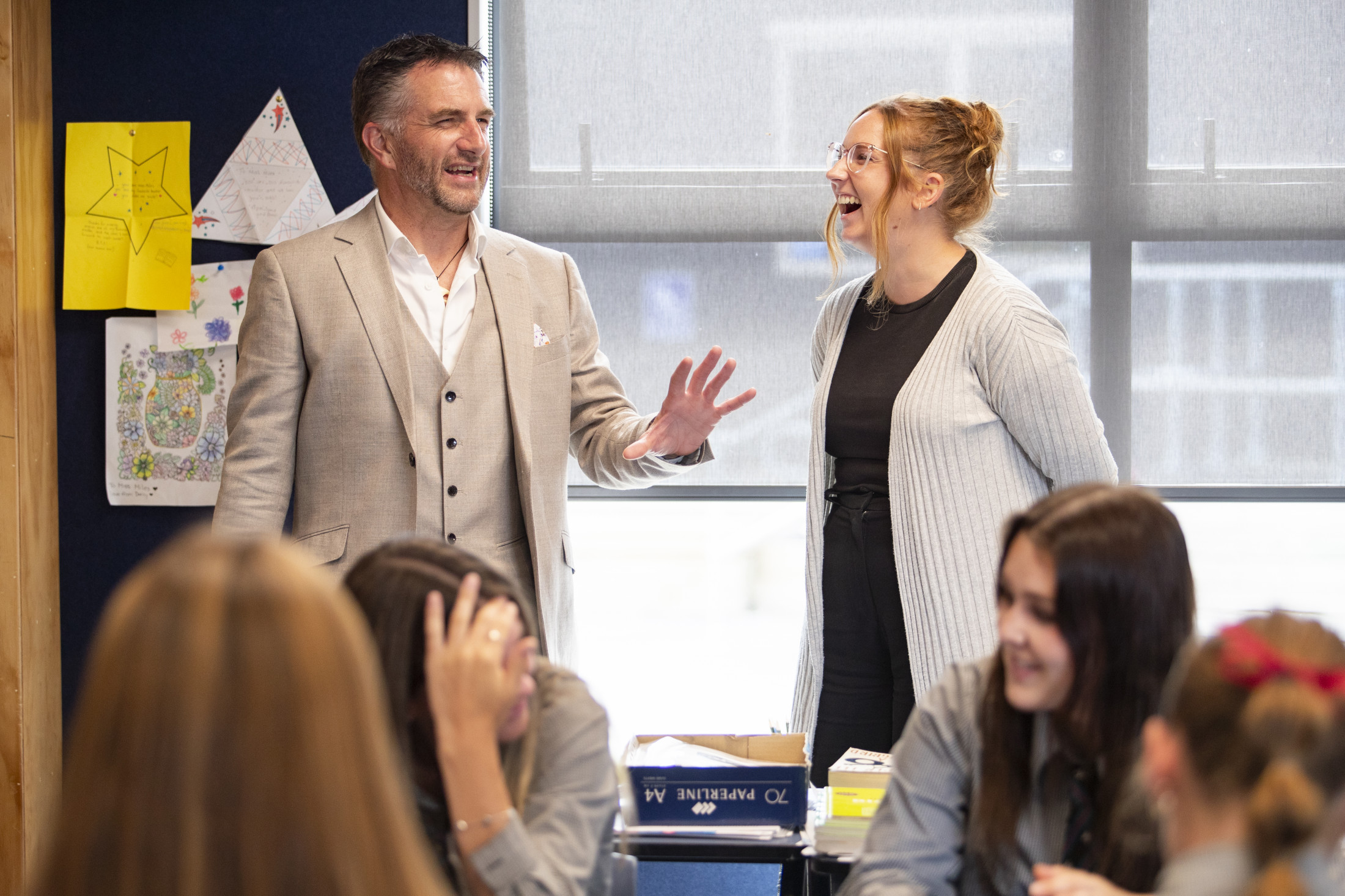

English develops students’ ability to read, write, speak, and think with clarity and confidence. Through the study of novels, short stories, poetry, film, and non-fiction texts, students explore how language shapes meaning and influences audiences. Junior English builds core skills in reading comprehension, writing craft, oral communication, and critical analysis, while encouraging creativity and personal voice. At senior levels, students engage with more complex texts and ideas, producing a range of written and oral work — from formal essays to creative writing and presentations. The programme emphasises interpretation, argument, structure, and style, helping students communicate effectively across many contexts. English supports every learning pathway, strengthening the literacy and thinking skills needed for tertiary study, employment, and active participation in society.
Junior English focuses on building strong foundations in reading, writing, viewing, and presenting. Students explore a wide range of texts — including fiction, poetry, visual media and digital content — learning how to interpret meaning, recognise techniques and respond thoughtfully. Writing tasks develop control of structure, vocabulary, and voice across forms such as narrative, descriptive, and persuasive writing. Students also build speaking and listening skills through discussions and presentations. The course encourages curiosity about language and ideas, while strengthening accuracy and confidence. Skills developed here underpin success across all subject areas. Junior English prepares students for senior NCEA courses by building analytical thinking, written control, and the ability to support ideas with evidence.
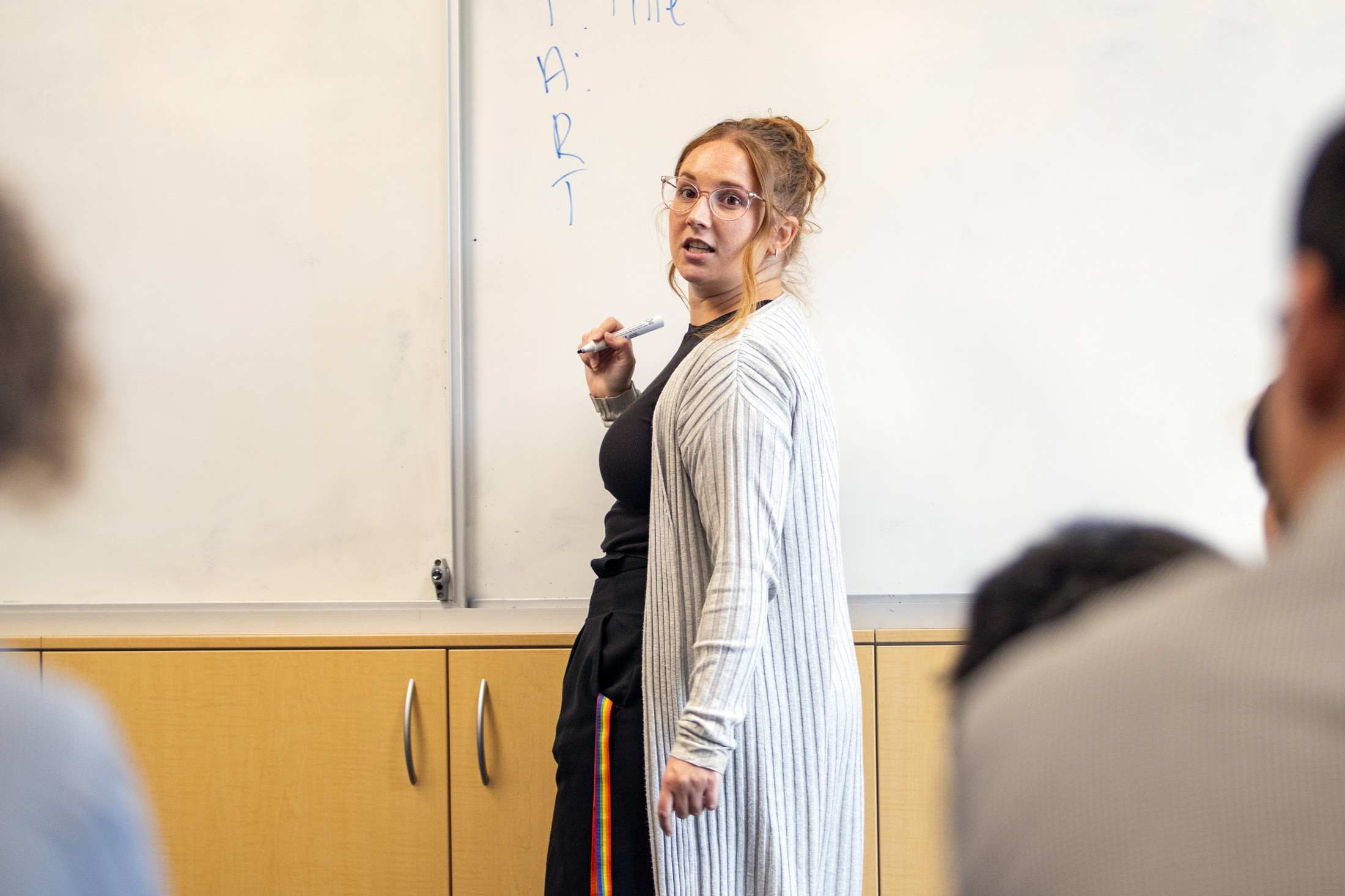
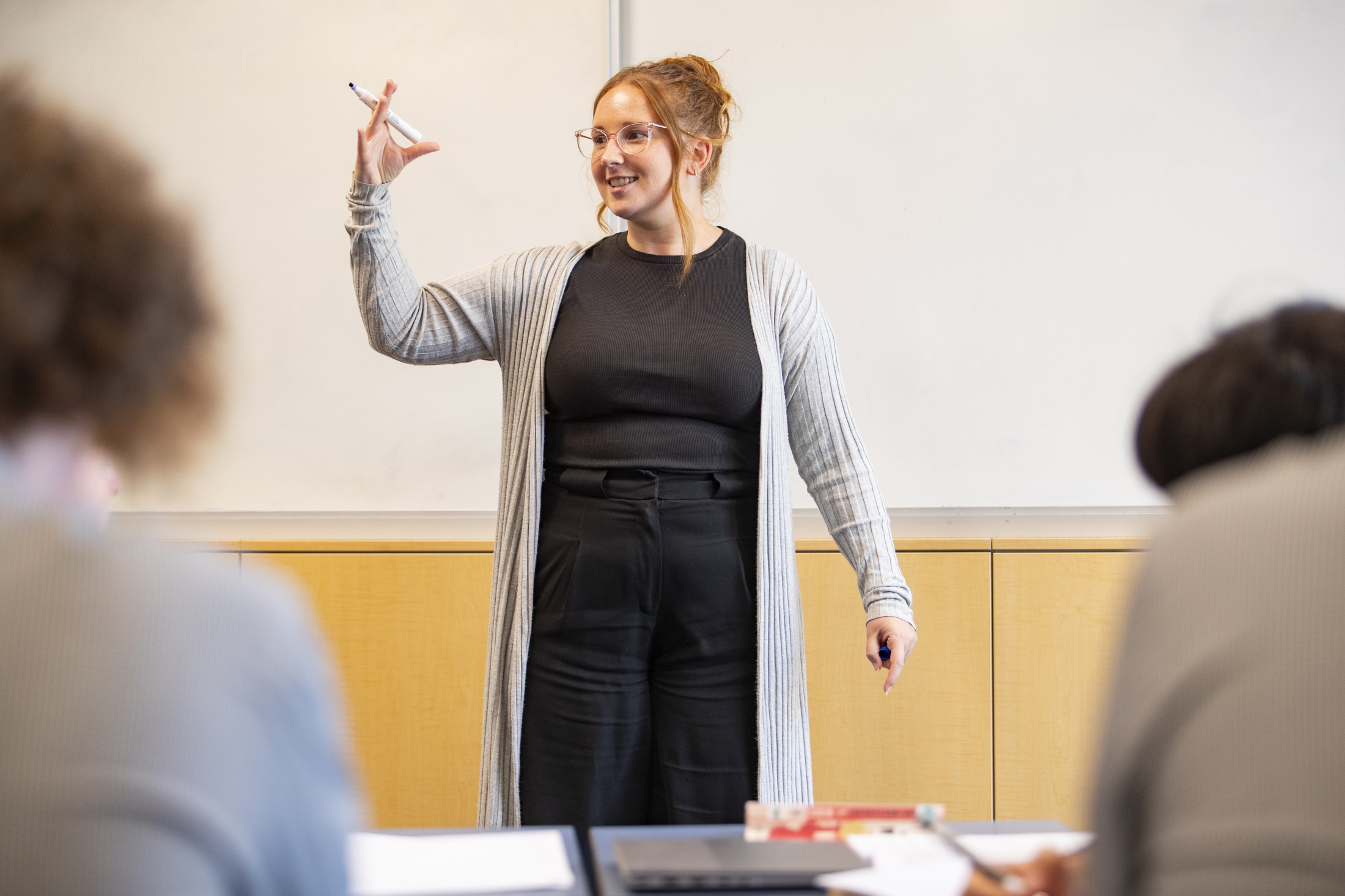
Senior English deepens students’ ability to analyse, interpret, and create texts across a range of forms and purposes. Students study significant written and visual works, examining how authors and directors use language and structure to shape meaning and influence audiences. Writing becomes more crafted and deliberate, with students producing formal analysis, personal responses, and creative pieces. Oral and visual presentations develop confidence in communicating ideas clearly and persuasively. The course emphasises critical thinking, argument, and evidence-based interpretation. Senior English supports University Entrance literacy requirements and provides essential preparation for tertiary study. It is valuable for all pathways, as strong communication skills remain one of the most important predictors of success beyond school.